Let’s face it, if you go to Las Vegas it is certainly not because of its favorable climate, and it is rare that a road trip in the Southwest only includes a stop in the city of casino hotels. You are much more likely to travel here on a West Coast itinerary after visiting Los Angeles and/or San Francisco or as a base for the parks of Utah and Arizona. Being in the middle of the desert, the climate in Las Vegas is not the most welcoming, but as you may have read in our Las Vegas travel guide, there are plenty of other reasons to include this stop on your road trip.
For now, let’s take a look at the temperatures in Las Vegas during the year, season by season.
The Climate in Las Vegas
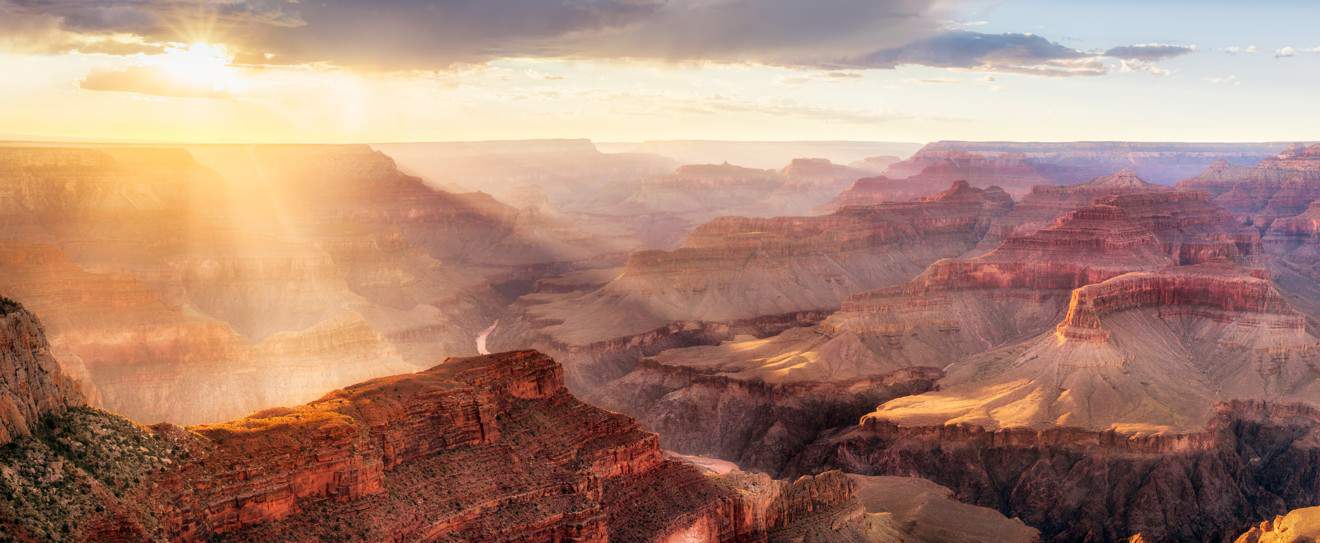
Because it has been featured in so many movies, we all know Las Vegas for two main reasons: gambling and the fact that it’s in the middle of the Mojave Desert. In fact, two of the main places of interest that the Mojave Desert has to offer are Las Vegas and Death Valley. The latter is known to be the hottest spot on the entire North American continent, where the temperature can reach around 129° in July and August. Don’t worry: fortunately, Sin City was built on a plateau and its downtown area is located at 2,000 ft above sea level. This elevated position makes it more liveable than other areas of the surrounding desert. The elevation combined with the desert climate also leads to some advantages, namely that it hardly ever rains and that it is never too cold.
Las Vegas in the Summer
 Las Vegas in August: Is it doable? The city is only a 4-hour drive from Los Angeles, but there are big differences between the desert sand and Long Beach sand (to name one). Strictly considering the climate, the months between June and September would be the least recommended for visiting the most populous city in Nevada, because of the scorching sun that can make spending the days outdoors really tiring. Average temperatures during these months range from lows of around 70° to highs that often exceed 104° and can reach 133°. Fortunately, the climate is extremely dry. In June, the humidity is usually below 10% and does not increase much in the following months, so even the extreme heat is slightly more bearable than if it were hot and humid.
The big advantage for tourists is that the main point of interest of the Las Vegas Strip and those in the rest of the city are indoors and that these attractions and the Monorail are air-conditioned. As a result, temperature changes between indoors and outdoors can be drastic. In addition, every hotel on the Strip has a swimming pool! Finally, you should remember that many people tend to come here for the nightlife rather than to tour the city during the daytime and that on the summer nights, it is pleasant to walk outdoors.
Las Vegas in the Winter
 The winter climate of Las Vegas is affected by the temperature changes typical of desert environments, plus the elevated position. Let’s get rid of the notion that it is always unbearably hot in Las Vegas. In the winter, it can get cold. Of course, if you want to spend Christmas in Las Vegas you can’t expect a white Christmas unless there is artificial snow. Compared to the summer heat, temperatures in December and January drop by 20-30 degrees, with highs of 57° and lows of up to 39°. The cool winter, however, is short and as March approaches, the temperatures start to rise to 68°.
Las Vegas in the Fall
 Visiting Las Vegas in October or November is a choice you should seriously consider. Unless you settle for the tacky display at the Bellagio Conservatory & Botanical Gardens, in Las Vegas you won’t find the romantic multicolored New England fall foliage. However, there are mild temperatures ranging from lows around 50° degrees to highs around 80°. True, as winter approaches, the nights start to get cold, but the weather is ideal for travelers who like to stay outdoors and who prefer to explore the desert and nearby Death Valley rather than spend their days in casinos.
Las Vegas in the Spring
 The best season, even more so than autumn, is spring. Between March and May, the days gradually warm up, and during the day, it is around 77°, but with a high probability of reaching and exceeding 86° already in May. The nights from the 10th of March gradually become milder and reach almost 70° in May as it gets closer to summer. These months not only allow one to enjoy visiting Las Vegas at its best, but also to the main places of interest in the surrounding area (Red Rock Canyon, for example! See photos).
The Climate around Las Vegas
 As I’ve already mentioned, Las Vegas is in an unfortunate geographical position (being located in the middle of the desert is not really enviable), but at the same time, it is a good starting point for visiting other attractions in the surrounding area, especially natural ones. In our post about visiting the national parks from Las Vegas, we have listed the main destinations to reach while using Las Vegas as a base. For most of these options, the answer remains the same: the end of spring and the beginning of fall would be the two most optimal periods to visit, since these time periods guarantee beautiful weather for staying outdoors without suffering from the relentless heat that scorches the desert and its brave visitors in the summer. Obviously, if you have only the summer months at your disposal, you don’t have to worry too much. Just make sure to protect yourself from the heat by coming prepared… also psychologically.
When Is the Best Time to Go to Las Vegas? The recommended period
We have seen that the best time to visit Las Vegas in terms of weather is during the spring and fall. But what can you do if, as is the case for most people, you can only go in the summer? For Sin City, as for other cities out West, the climate can be a secondary factor or at least considered in relation to all the other destinations included in our itinerary, since Las Vegas will probably only be a stop on a road trip. After all, in a few hours, you can go from the sunny desert to the Sierra Nevada!